Description
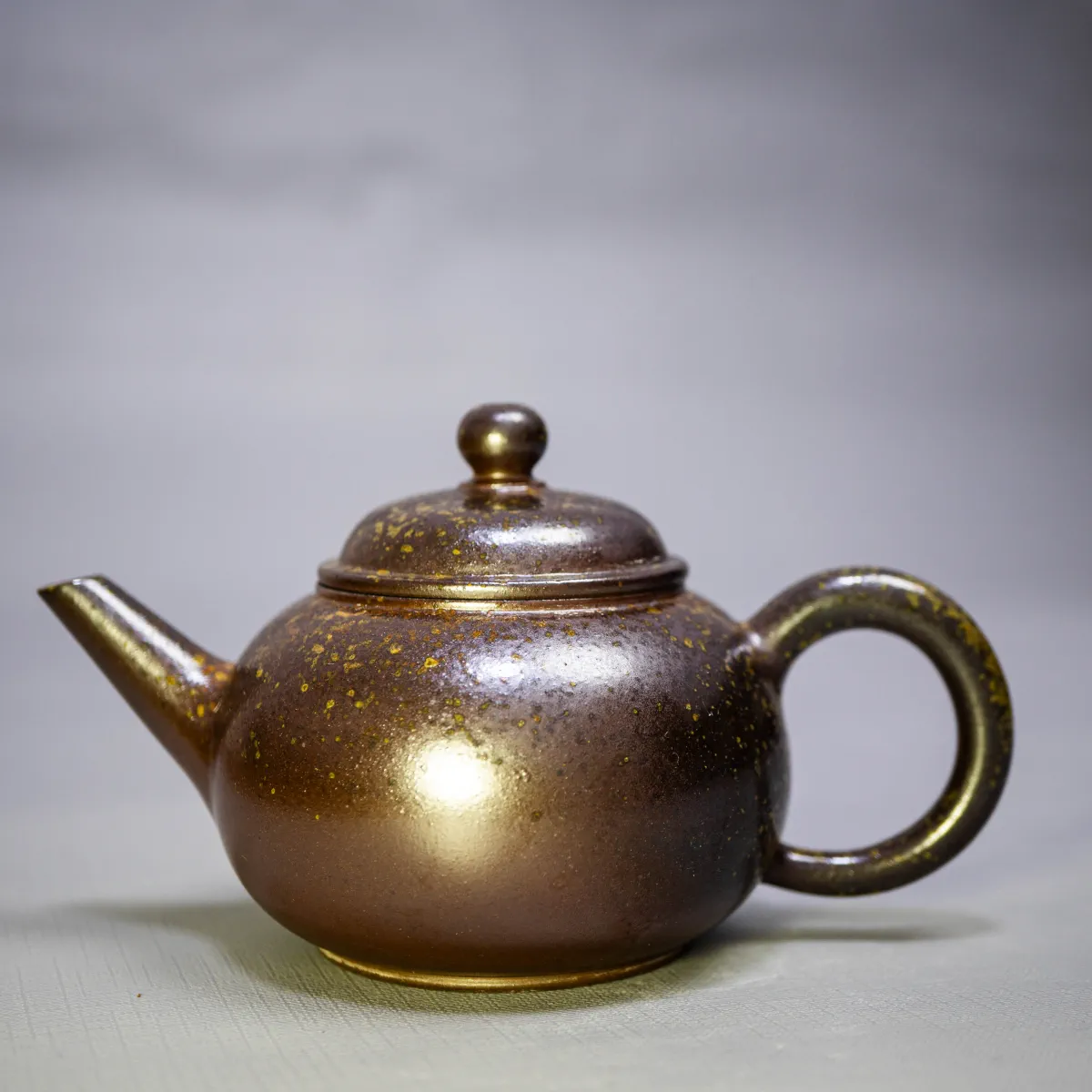
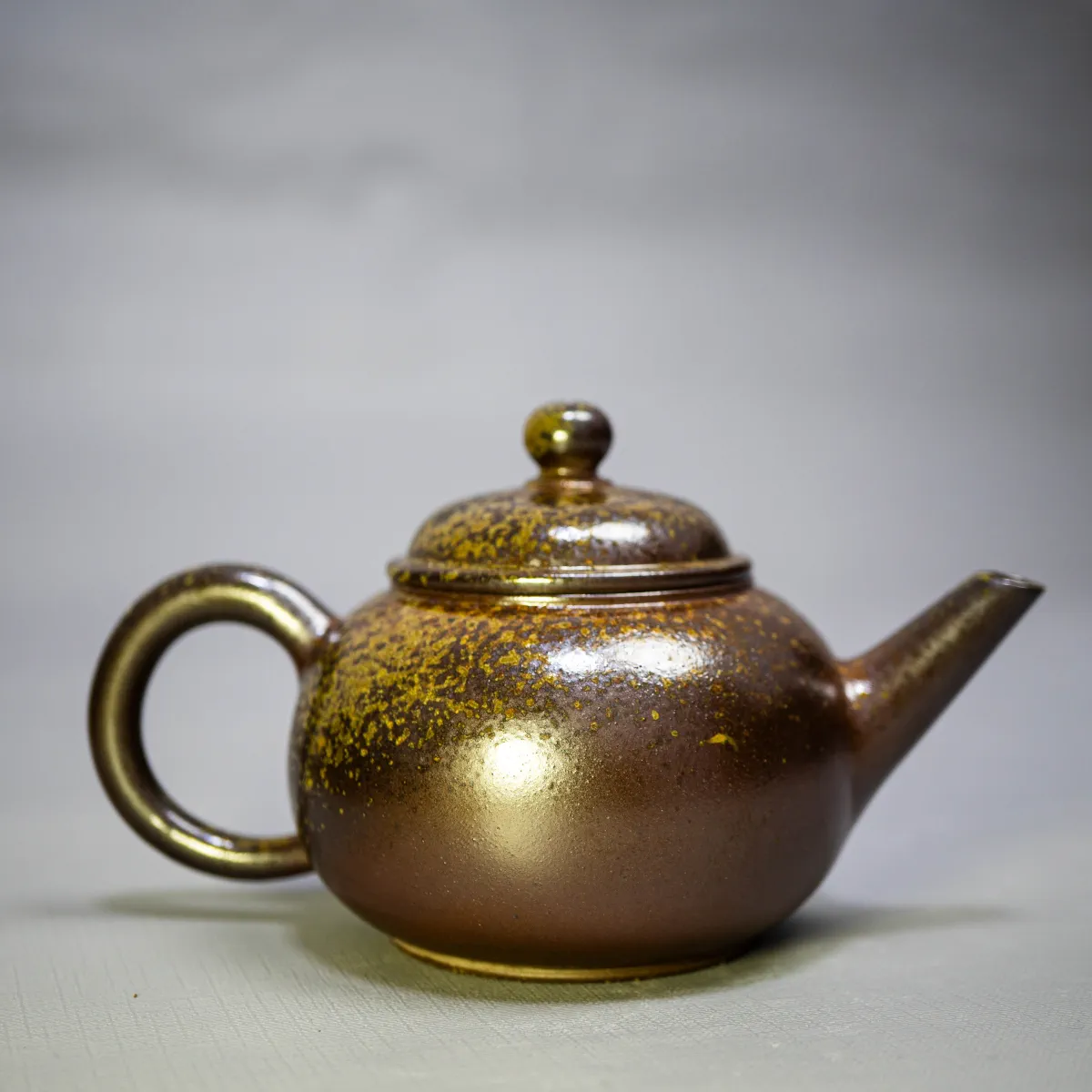
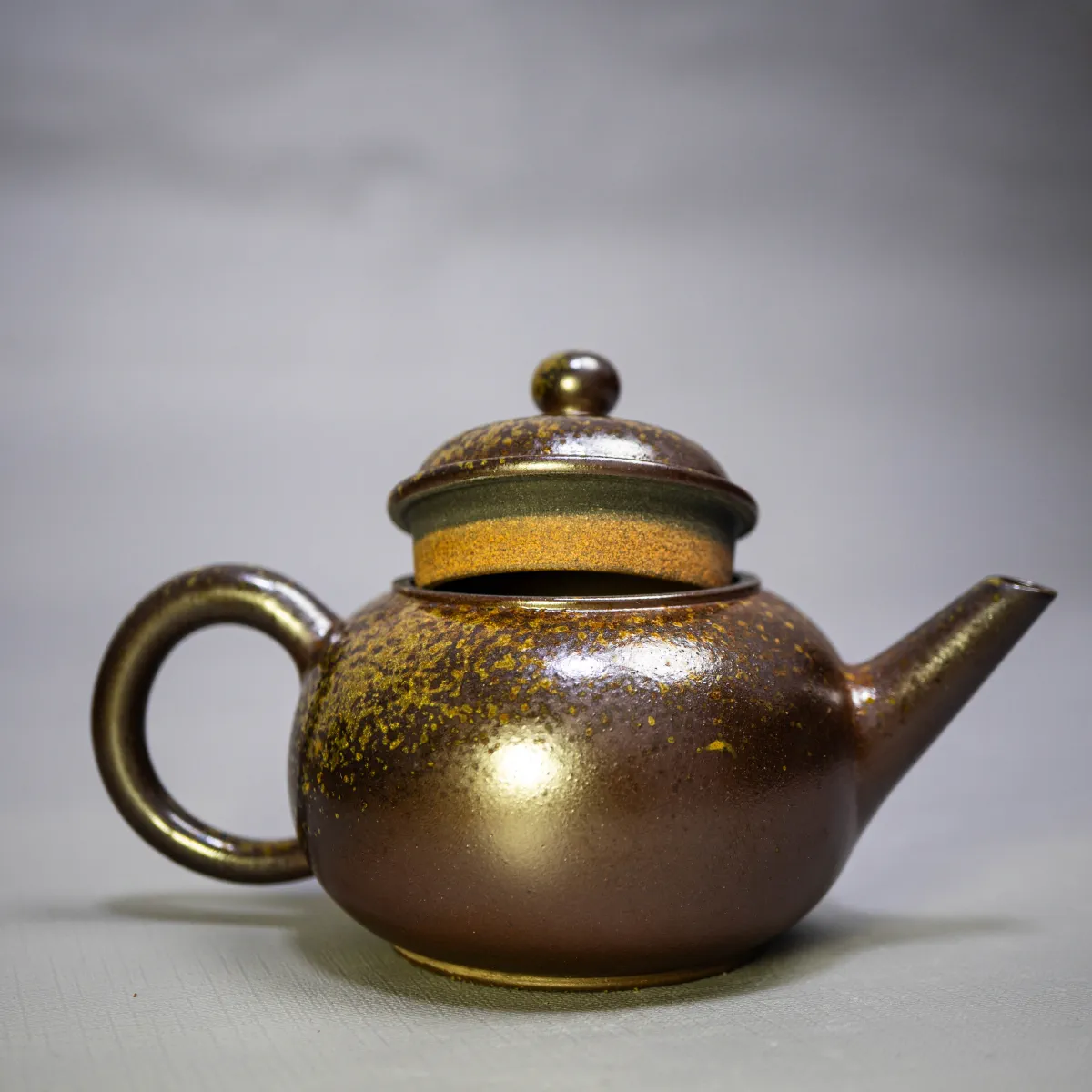
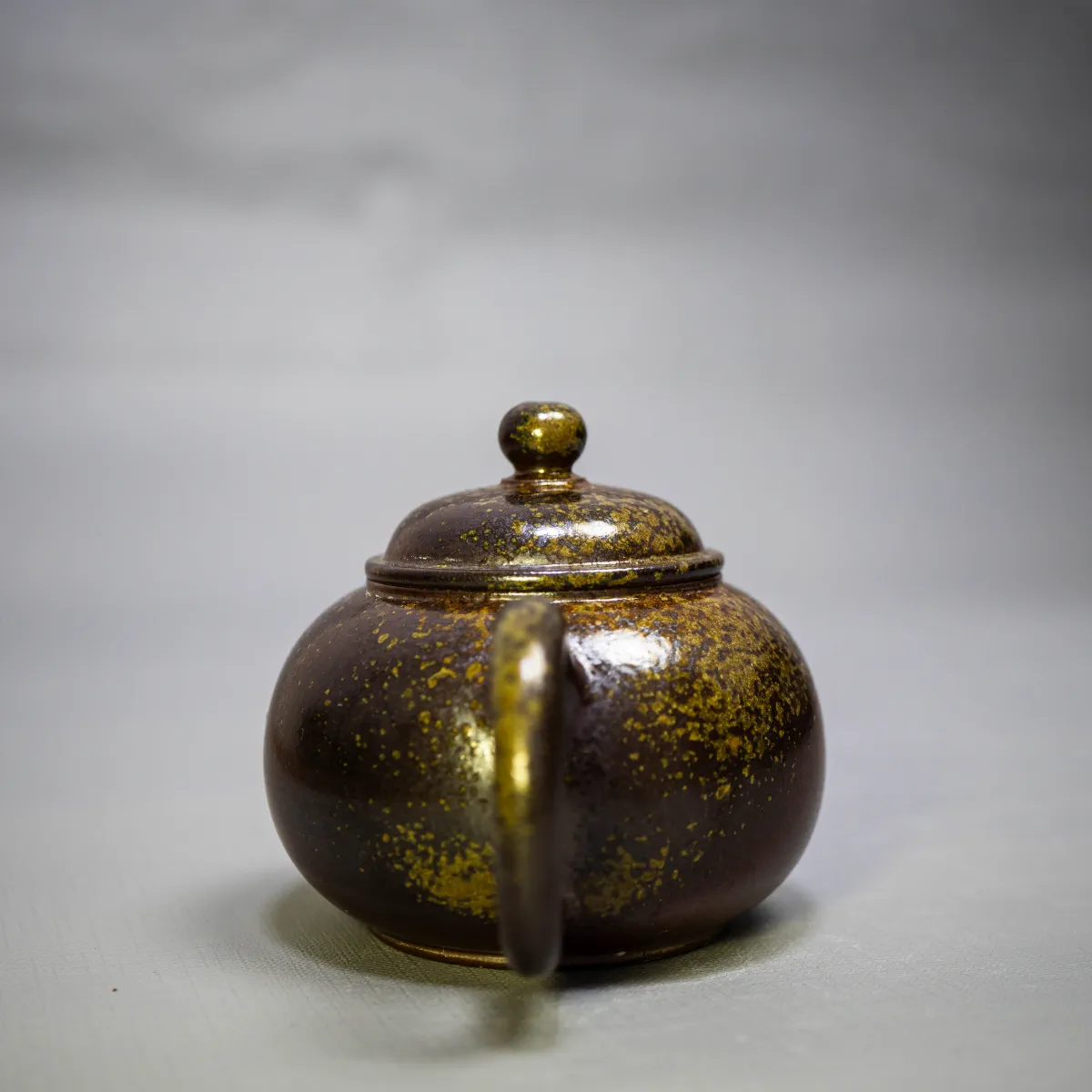
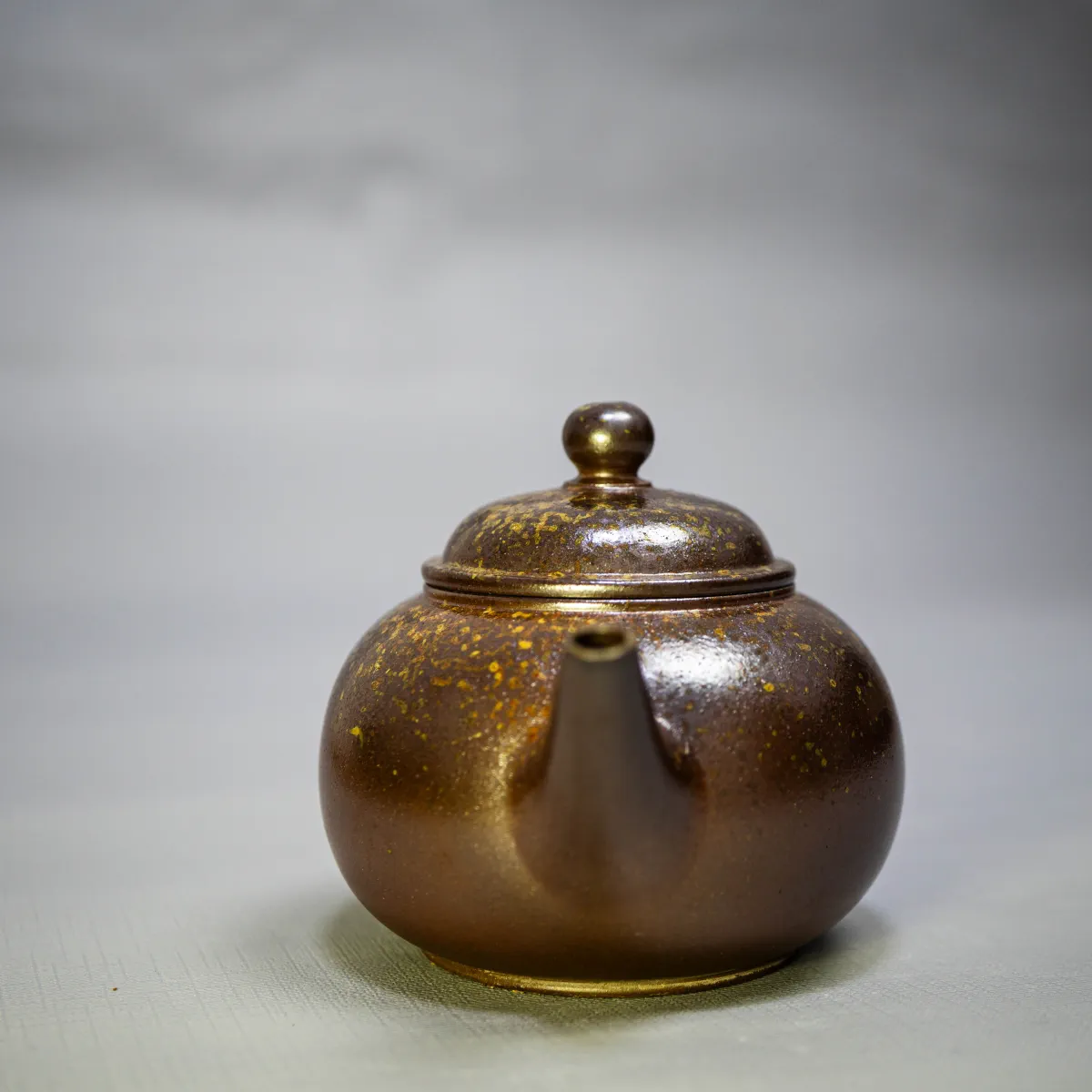
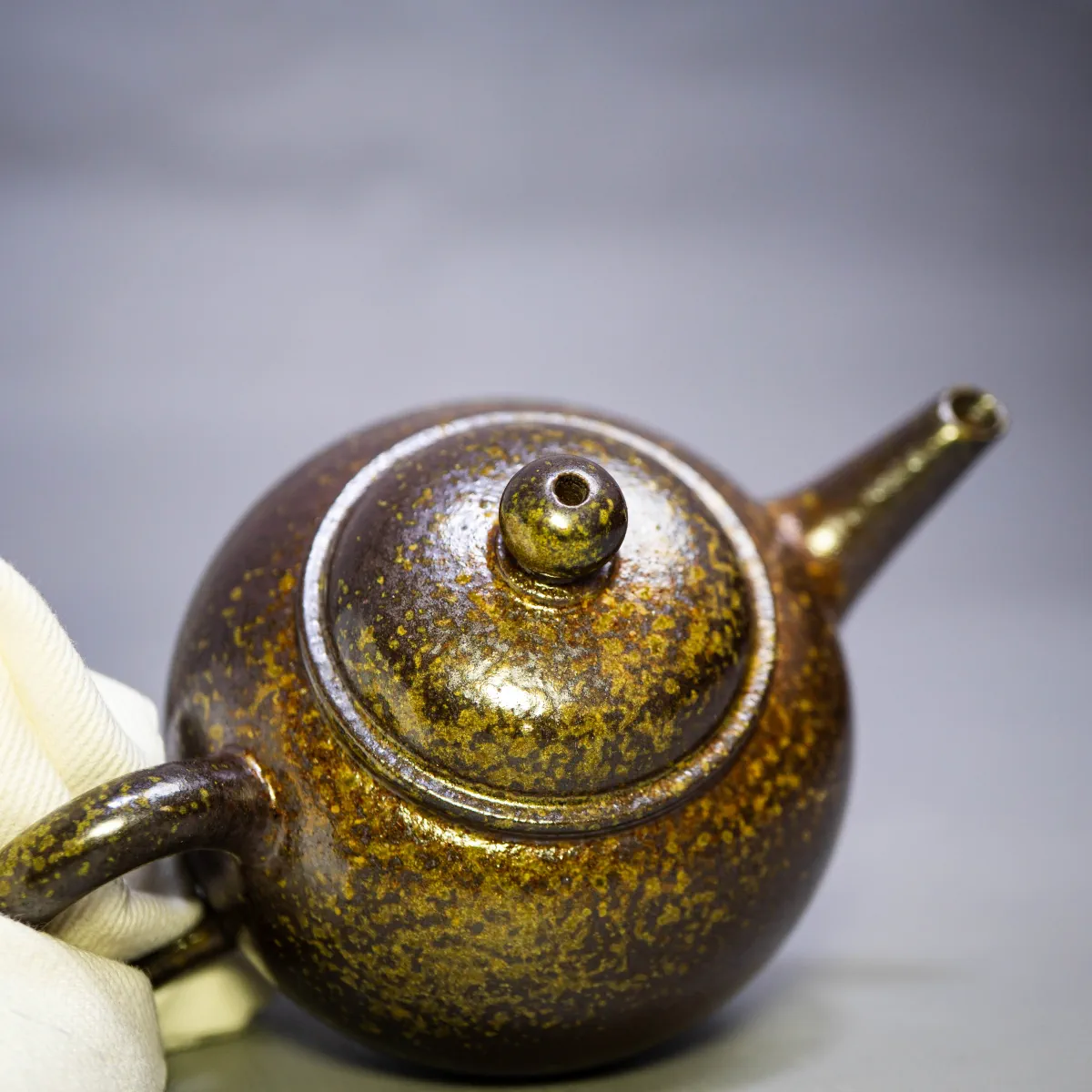
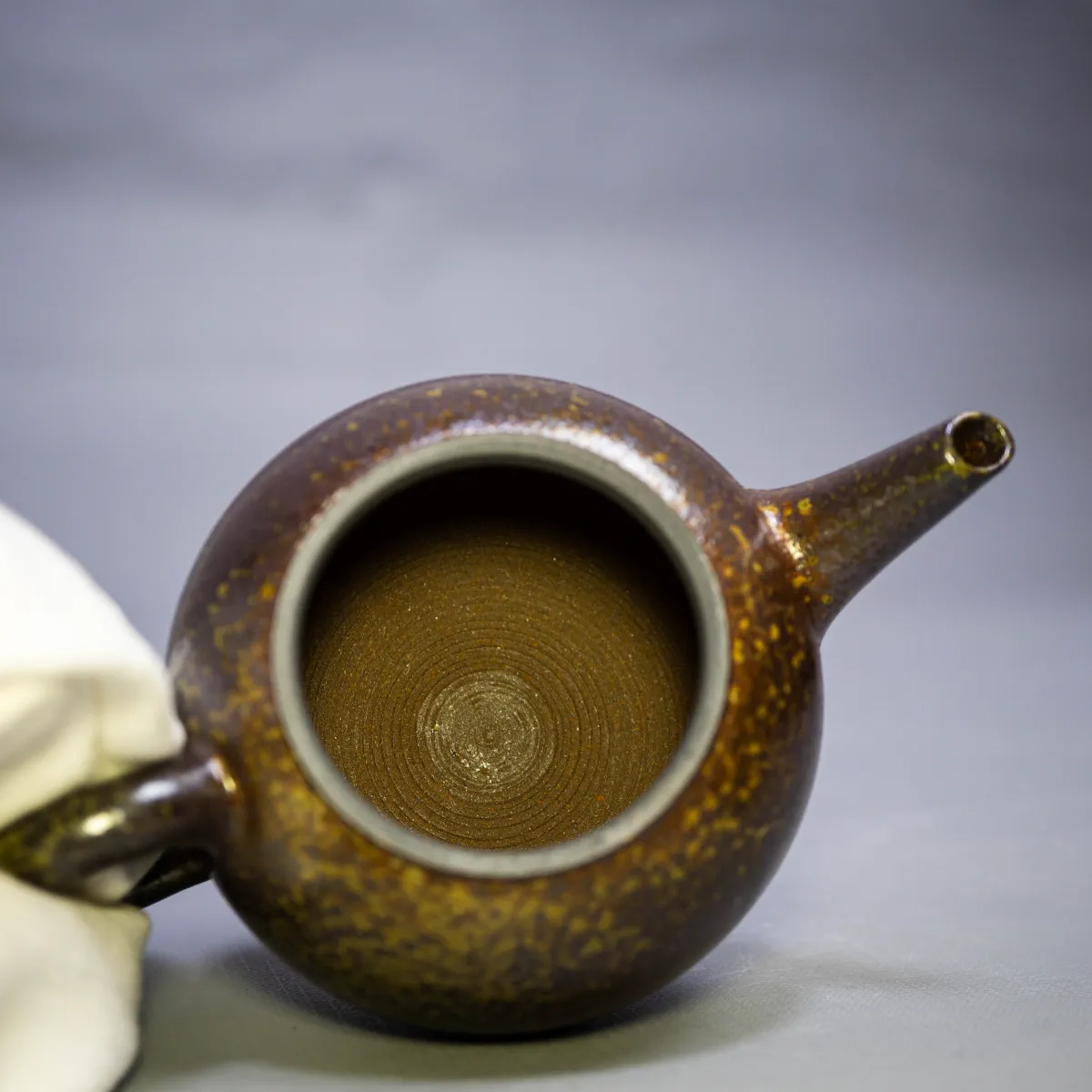
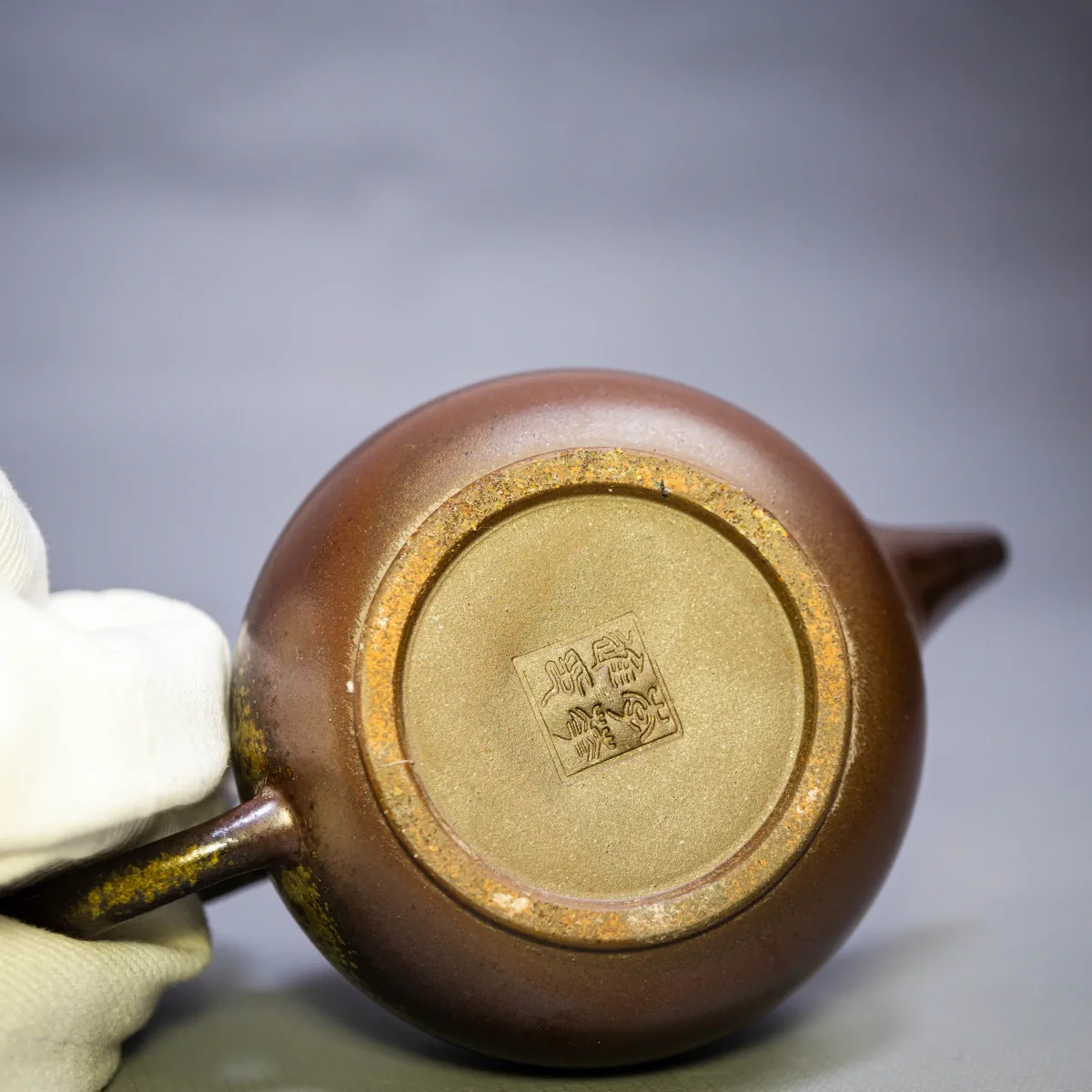
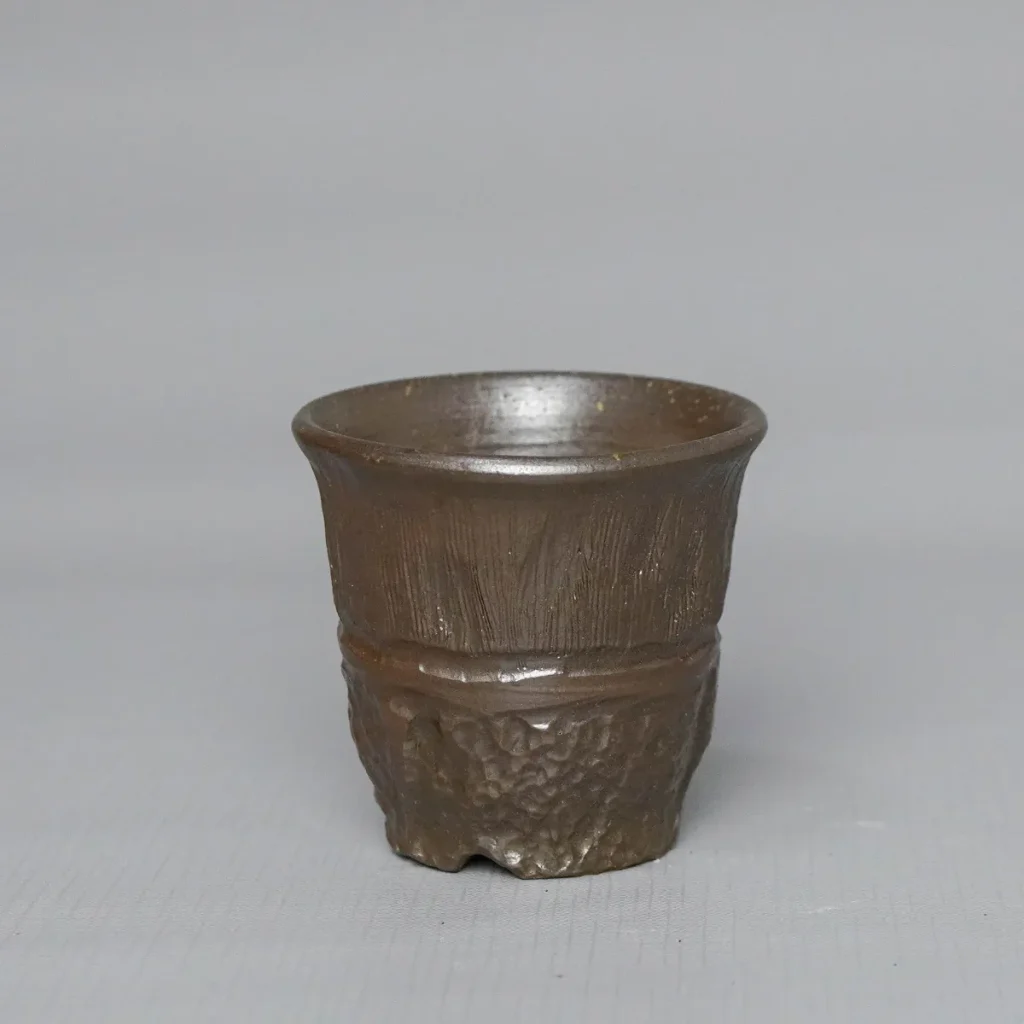
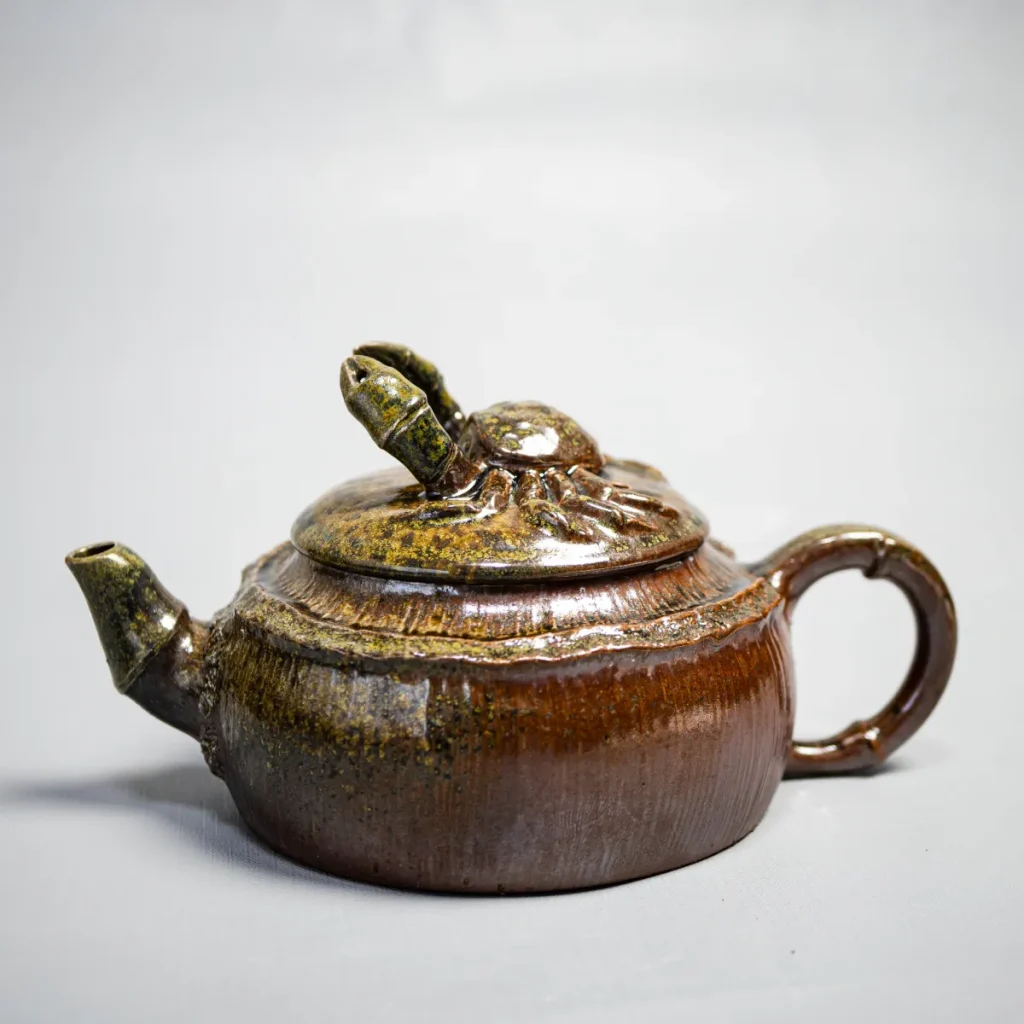
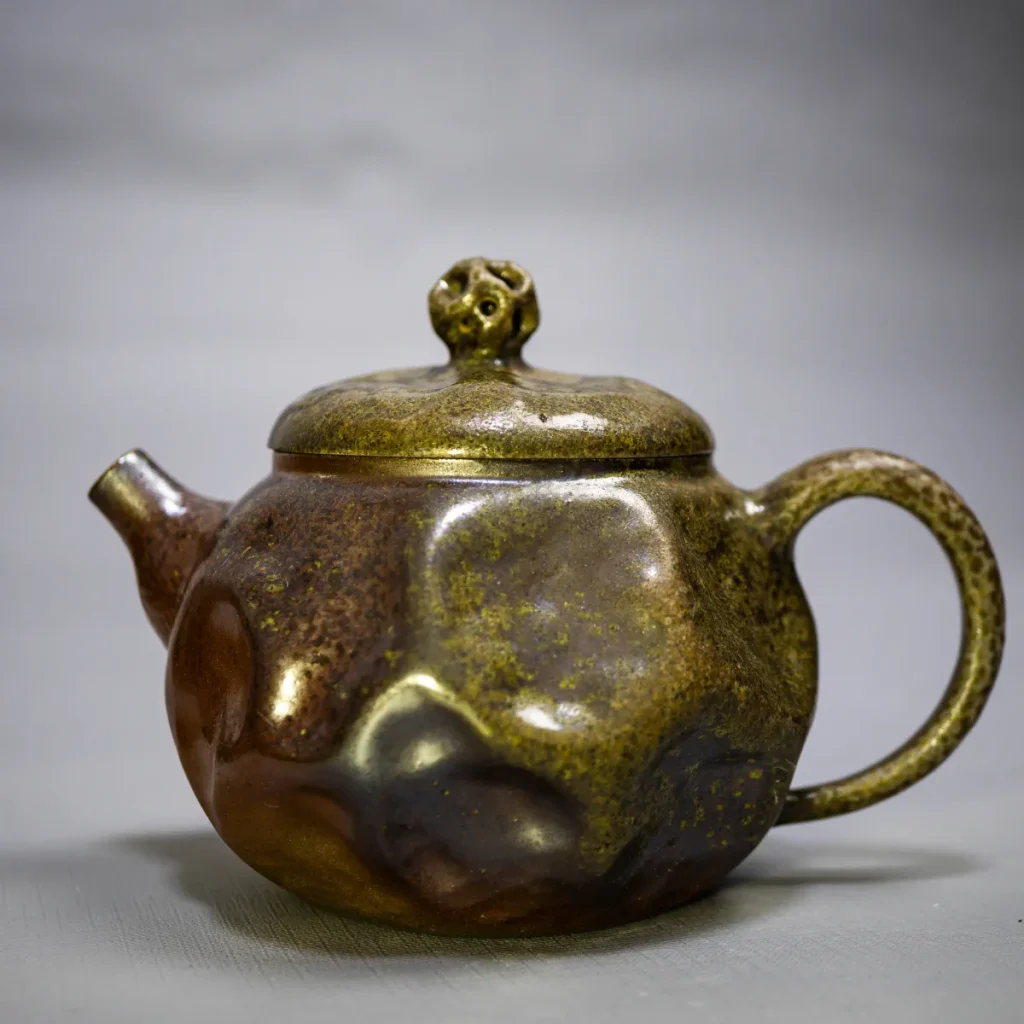
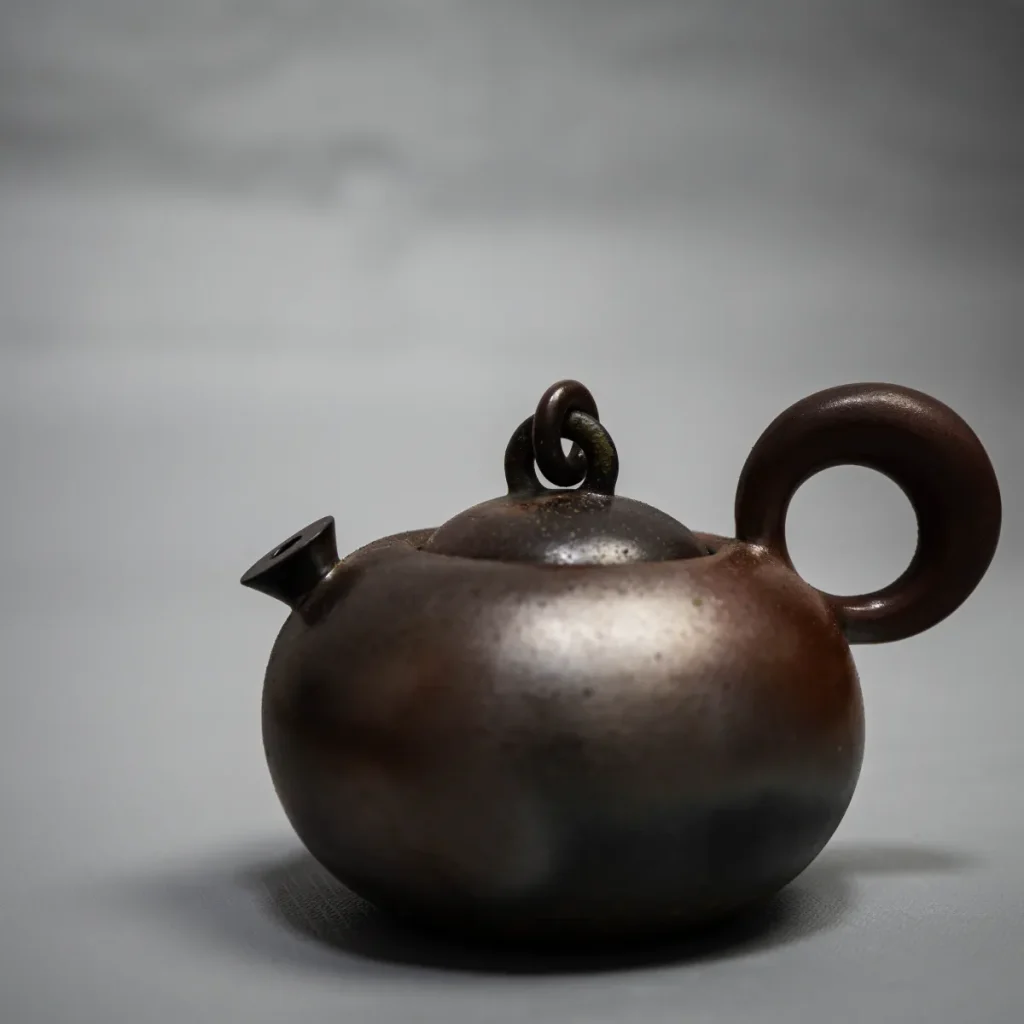
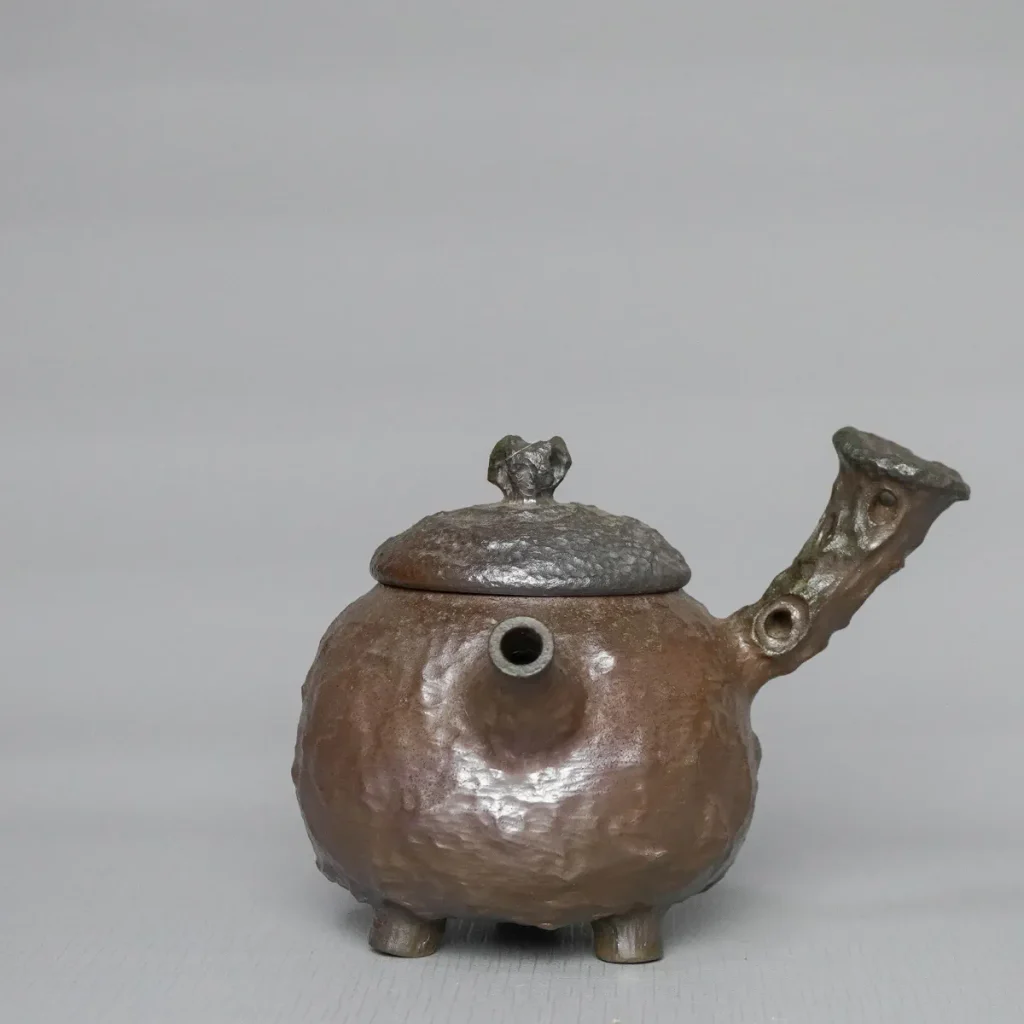
One of a kind. The photos show the exact teapot you will receive.
Volume: Approx. 120 mL
Form: Wen Dan (文旦)
Artisan: Li Huajin (李华进)
Firing: Unglazed, Pine Wood-Fired (无釉松木柴烧)
Origin: Qinzhou, Guangxi, China
The Wen Dan Form
Made by Li Huajin (李华进), this approximately 120 mL Nixing clay teapot follows the Wen Dan form.
Wen Dan is recognised for its softly rounded body, restrained proportions, and compact silhouette. The shape is often associated with the rounded form of the pomelo fruit, from which its name is derived.
With its 120 mL capacity, this teapot is particularly well suited to a focused gongfu tea session for one person or a small shared serving.
Unglazed Pine Wood Firing
This teapot was fired without an applied glaze in a pine wood-fired kiln. During firing, flame, heat, wood ash, and kiln atmosphere interact with the clay surface, creating natural variation in colour, sheen, and texture.
The resulting surface is unique to this individual piece. Subtle shifts in colour, textured areas, and natural kiln marks are part of the character of unglazed wood-fired pottery and can be seen in the photographs of this exact teapot.
Note: Surface variation is a natural feature of unglazed wood-fired pottery. Please refer to the product photographs for the specific character of this one-of-a-kind piece.
Qinzhou Nixing Clay
This teapot is made from Nixing clay from Qinzhou, Guangxi, a long-established pottery region in southern China. The final appearance of Nixing pottery can vary with the clay, shaping process, firing conditions, kiln placement, and surface treatment.
To learn more about the material and craft, explore our Nixing Pottery: Clay, Crafting & Firing Guide.
Before First Use
No elaborate “opening” process is required. Before your first tea session:
- Rinse the teapot gently inside and out with warm water.
- Warm the teapot gradually with warm-to-hot water.
- Empty the water, then allow the teapot to cool naturally before brewing tea.
After each use, remove the tea leaves, rinse with warm water, and allow the teapot to dry completely with the lid off before storing. Avoid sudden temperature changes, harsh detergents, and abrasive cleaning tools. For more guidance, see Caring for Nixing Pottery: Cleaning, Brewing, and Everyday Use.
Reviews
There are no reviews yet.