There is no single “correct” tea for a Nixing teapot. For most beginners, oolong tea, black tea, and pu-erh are practical places to start, then you can adjust based on your own taste and brewing routine. A Nixing teapot may suit different teas differently depending on its clay, firing, wall thickness, shape, capacity, interior finish, and how you brew.
The best approach is simple: start with a tea you already enjoy, make a few small sessions, and notice what works for you. Do you prefer a fuller texture, a brighter aroma, a smaller gongfu-style brew, or a larger pot to share? This guide explains how different tea categories may work in a Nixing teapot and how to choose a sensible starting point for your own tea table.
There Is No One “Best” Tea
A Nixing teapot does not come with one required tea pairing. Tea drinkers often develop preferences over time, but those preferences are personal rather than universal rules.
The experience may vary from pot to pot. A small, compact teapot may feel more suitable for short gongfu infusions, while a larger pot may be more practical for sharing. A thinner-walled pot and a thicker-walled pot can also behave differently during brewing. The same is true of the clay body, firing, lid fit, pour speed, and whether the interior is glazed.
Instead of looking for a perfect rule, begin with teas you already drink regularly. If you enjoy oolong, black tea, or pu-erh, those are all reasonable categories to try first. For a broader introduction to the material and tradition, read Nixing vs Yixing: What’s the Difference?
Try familiar teas first. The best pairing is often the tea you already enjoy and know how to brew. Compare a few tea styles over time instead of expecting one universal answer.
Oolong Tea: A Good Place to Start
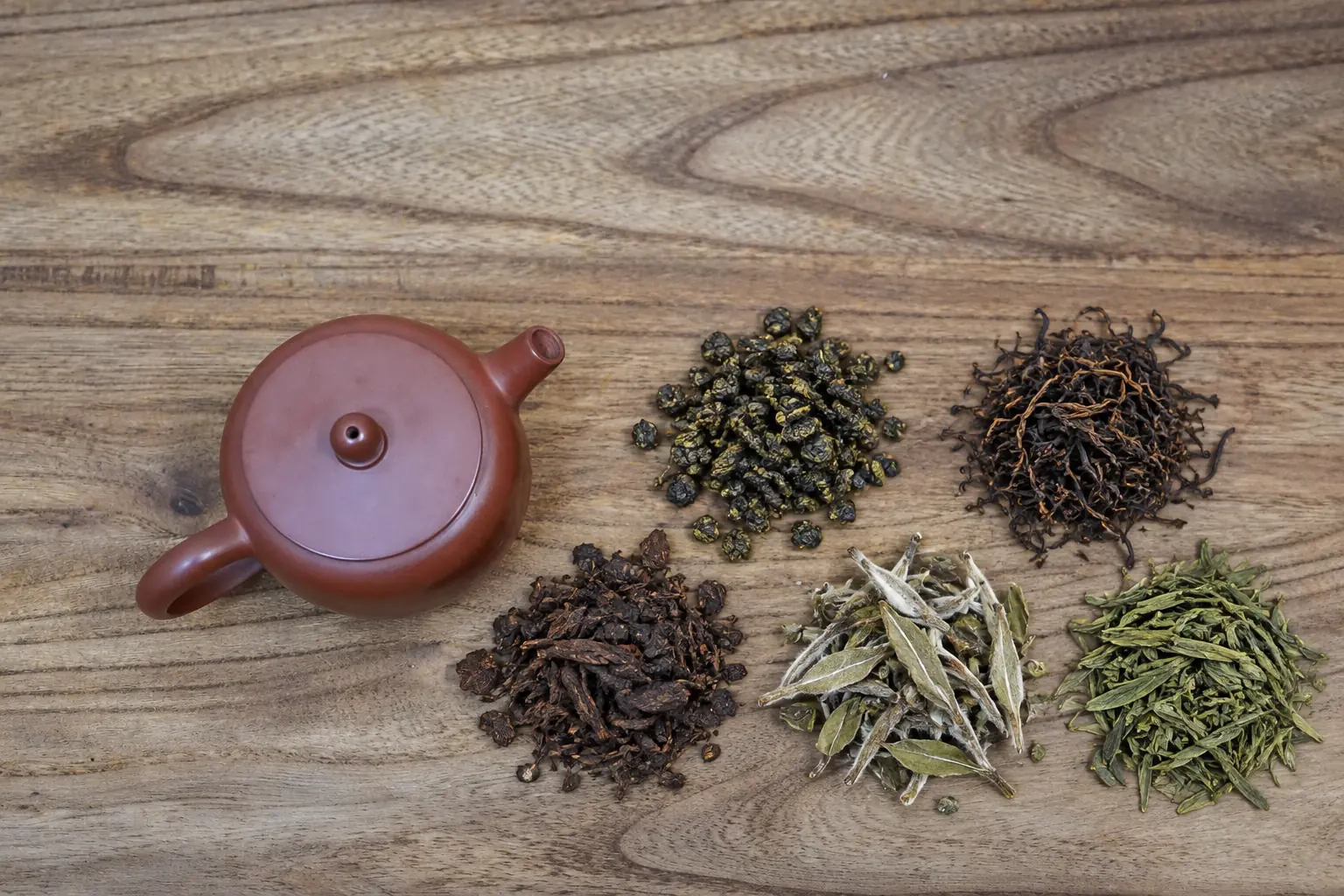
Oolong tea can be a good starting point for many Nixing teapot owners because it includes a wide range of styles—from light and floral to roasted and full-bodied.
If you already enjoy Taiwanese-style oolongs, Wuyi rock tea, Tieguanyin, or roasted oolongs, try brewing a familiar tea in your pot before changing too many variables. Use your normal leaf amount, water temperature, and infusion time. Then compare the result with the same tea brewed in porcelain or another vessel you know well.
Many tea drinkers prefer small pots for gongfu-style oolong brewing because they allow short, repeated infusions. However, the best capacity depends on how many people are drinking and how you prefer to serve tea.
Black Tea and Dark Tea
Black tea and dark tea can also be worth trying in a Nixing teapot, especially if you enjoy richer, warmer tea styles.
For black tea, begin with a moderate leaf-to-water ratio and adjust gradually. Some black teas can become strong quickly, so a smaller pot may make it easier to control each infusion. A larger pot may be more convenient for relaxed daily brewing or serving several people.
Dark teas, including some post-fermented styles, may also suit a dedicated brewing routine. But “suitable” does not mean exclusive. You can brew them in porcelain, glass, or other teaware as well. The aim is to find a vessel and method that help you enjoy the tea.
Pu-erh Tea: Start with a Small Test Brew
Pu-erh is commonly brewed in small teapots, particularly in gongfu tea sessions. If you are considering a Nixing teapot for pu-erh, start with a small test brew rather than assuming every pot will produce the same result.
Try using a tea you already know. Brew a few short infusions and pay attention to aroma, body, clarity, and how easy the pot feels to pour and handle. If you switch between very different teas—for example, floral oolong and ripe pu-erh—you may eventually prefer separate pots. That is a personal choice, not a requirement.
A smaller Nixing pot may be useful when you want to make repeated, focused infusions. If you usually share tea with friends, a medium or larger capacity may be more practical.
White Tea and Green Tea: Use a Gentler Approach
White tea and green tea can also be brewed in a Nixing teapot, but they may benefit from a gentler approach.
These teas are often brewed with cooler water and shorter infusions than darker or more heavily roasted teas. If your pot has thick walls or retains heat well in your own use, pay close attention to water temperature and steeping time. Starting with slightly cooler water can be worth trying, especially for delicate green teas.
If you want a very clear view of a green or white tea’s aroma and color, porcelain or glass can be a useful comparison vessel. This does not mean a Nixing teapot is wrong for these teas; it simply gives you another reference point while you learn your preferences.
How Teapot Size Changes Your Choice
Capacity can shape your tea experience as much as tea type.
| Teapot Capacity | Useful Starting Use |
|---|---|
| Around 80–120 ml | Solo gongfu sessions or one to two people |
| Around 120–180 ml | Flexible for one to three people |
| Around 200–300 ml | Sharing tea, casual brewing, or serving several people |
A small pot can make it easier to brew short, concentrated infusions. A larger pot may feel more relaxed and practical when tea is shared. Consider not only how much tea you want to make, but also how quickly you like to drink it and whether you prefer several short infusions or one longer brew.
For more buying guidance, browse our Nixing Teapots.
Should You Use One Teapot for One Type of Tea?
You do not have to use one Nixing teapot for only one tea type.
Some tea drinkers prefer to dedicate an unglazed pot to a particular tea family, such as roasted oolong, black tea, or pu-erh. They may do this for consistency or simply because they enjoy having a routine. Others use one pot for several related teas without concern.
A practical beginner approach is to start with one tea you drink often. Use the pot consistently for a few weeks, then decide whether you want to keep that pairing or try something else. There is no need to rush into buying multiple pots or following strict rules.
Whatever tea you choose, simple care matters. Rinse the pot with hot water, avoid soap or scented cleaners, remove used leaves after brewing, and allow the pot to dry fully. For more details, see our Nixing teapot care guide.
A Simple Starting Guide for Beginners
If you are new to Nixing teaware, use this guide as a starting point:
| If You Usually Drink… | Try Starting With… | Keep in Mind |
|---|---|---|
| Oolong tea | A familiar oolong, brewed gongfu-style | Adjust leaf amount and infusion time before changing teas |
| Black tea | A tea you already drink regularly | Start moderately; black tea can become strong quickly |
| Pu-erh tea | A small test session with a familiar pu-erh | Consider a smaller pot for short repeated infusions |
| White tea | A gentle first brew with cooler water | Watch temperature and steeping time |
| Green tea | A gentle brew with cooler water | Compare with porcelain or glass if you want a reference point |
| Many tea types | Start with your most frequently brewed tea | One pot can be used flexibly; separate pots are optional |
The goal is not to find a “perfect” pairing immediately. It is to learn how your specific pot works with the teas you enjoy.
Frequently Asked Questions
Is oolong the best tea for a Nixing teapot?
Oolong is a good place to start for many people, but it is not the only good choice. Black tea, pu-erh, dark tea, white tea, and green tea can also be worth trying.
Can I brew green tea in a Nixing teapot?
Yes. Use gentler brewing conditions, especially cooler water and shorter infusions. Porcelain or glass can also be useful if you want to compare results.
Should I use one Nixing teapot only for pu-erh?
No. Some tea drinkers prefer a dedicated pot for pu-erh, but it is a personal habit rather than a requirement.
What size Nixing teapot should a beginner choose?
A smaller pot around 80–120 ml can be a practical starting point for solo gongfu brewing. Choose a larger size if you usually share tea.
Will a Nixing teapot automatically make tea taste better?
Not necessarily. The result depends on the individual pot, tea, water, temperature, leaf amount, and brewing method. It is best to test and compare based on your own taste.
Conclusion
The best tea for a Nixing teapot is usually the tea you enjoy drinking often. Oolong, black tea, and pu-erh are sensible places to begin, while white and green teas can work well with gentler brewing. Start with a familiar tea, pay attention to capacity and brewing style, and adjust gradually as you get to know your pot.
Explore Nixing Teapots to find a Nixing teapot that fits your preferred tea style and daily brewing routine.
Leave a Reply