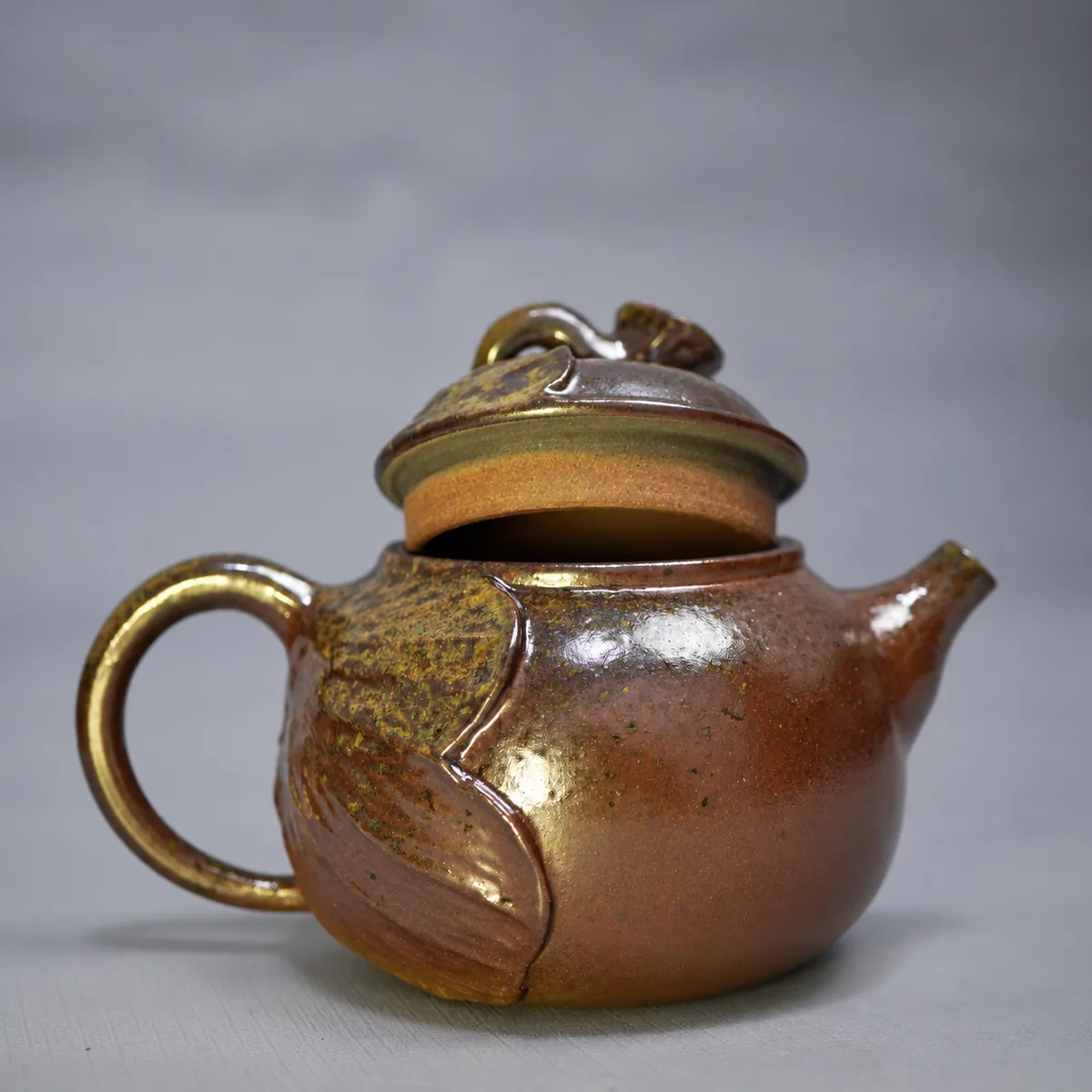
Caring for Nixing pottery does not need to be complicated. For everyday tea use, the essentials are gentle cleaning, complete drying, gradual changes in temperature, and attention to the instructions supplied with the individual piece. Nixing Ware tea vessels are unglazed, so their surfaces should be treated with simple, practical care rather than strong cleaners or elaborate rituals.
A teapot, cup, or tea pet may have a different shape, firing result, or surface feel, so handle each one thoughtfully. Wood-fired Nixing pottery can develop a reflective, almost mirror-like surface during high-temperature firing. This is a natural firing result, not an applied glaze. With normal use, an unglazed surface may also show gentle changes in colour or sheen. The aim is not to keep the piece looking unused; it is to keep it clean, dry, and pleasant to brew with.
Before First Use: Keep It Simple
Before using a new Nixing teapot, cup, or tea pet, inspect it in good light. Check for obvious cracks, loose parts, sharp damage, or signs of shipping damage. If something appears damaged, do not use it with hot water; contact the seller for advice.
For a Nixing teapot, prepare it before the first brewing session. This simple first rinse is often called “opening the pot.” It is intended to remove any remaining dust from handling and storage, not to create a magical effect or change the tea.
- Rinse the teapot under warm water two or three times.
- Fill it with boiling water, then carefully empty it out.
- Repeat the boiling-water fill and empty process two or three times.
- Allow the teapot to cool naturally. It is then ready for tea.
Avoid adding tea leaves, toothpaste, oil, vinegar, baking soda, chemicals, or other materials during this first preparation. If the seller gives a specific first-use instruction for a particular product, that instruction takes priority.
How to Brew Tea in a Nixing Teapot
Before brewing, warm the teapot gradually. Pour in warm or hot water, let the vessel warm briefly, and pour the water away. This reduces the shock of moving from room temperature to brewing temperature. In a cool room, take a little more time before using very hot water.
Choose water temperature and steeping time for the tea rather than for the pot. Different teas need different treatment, and a simple approach is usually best. For more guidance on tea choices, read What Tea Is Best for a Nixing Teapot?. When the session is over, empty the remaining tea liquor and remove the leaves promptly. Leaving wet leaves or strong tea inside for a long time can create stale odours and makes cleaning harder.
Do not move a hot pot directly into cold water or place a cold vessel under very hot water without warming it first. Like other ceramic tea ware, Nixing pottery benefits from gradual heating and cooling.
Daily Cleaning: The Gentle Method
- Pour away used leaves and any remaining tea liquor after the session.
- Rinse the inside and outside with clean warm water.
- Use a soft, clean, unscented cloth to gently dry the outside.
- Leave the lid off and let the vessel air-dry completely in a well-ventilated place.
- Store the piece only after it is fully dry.
For normal tea use, clean water is the most reliable cleaner. Do not use strongly scented washing-up liquid, bleach, abrasive cleaners, or products that can leave a residue. Do not scrub with steel wool, hard brushes, or scouring pads. If a mark does not come away with water and a soft cloth, do not immediately use a stronger product; ask the seller for guidance for that particular piece.
Unglazed Nixing Pottery and Wood-Fired Surfaces
All Nixing Ware products are unglazed. An unglazed clay surface can develop subtle use marks, tea tones, and changes in sheen over time. These changes do not automatically mean that the pottery is damaged. They are often simply part of regular use.
Wood-fired Nixing pieces may look especially glossy because high heat and the kiln atmosphere can create a smooth, reflective surface. This appearance is not glaze. Care remains the same: rinse with water, dry thoroughly, and avoid chemicals or abrasive tools. If you notice a persistent unexplained odour, visible mould, a clear crack, leakage, or another unusual surface change, stop using the item and consult the seller or a suitable professional.
To learn more about Nixing clay, its making process, and firing methods, see What Is Nixing Pottery? Clay, Crafting, and Firing Guide.
What to Avoid
- Strongly scented washing-up liquid, bleach, or harsh chemical cleaners.
- Dishwashers, microwaves, or ovens unless the specific product is clearly marked as safe for that use.
- Sudden changes between hot and cold temperatures.
- Leaving tea leaves or tea liquor in the vessel for long periods.
- Sealing a damp teapot in a cupboard or storage box.
- Hard brushes, steel wool, scouring pads, and abrasive cleaning products.
- Continuing to use a pot that has an obvious crack or a suspected leak.
A Simple Do / Avoid Table
| Do | Avoid |
|---|---|
| Rinse with clean warm water. | Harsh or strongly scented cleaners. |
| Let the vessel air-dry fully. | Storing it sealed while damp. |
| Warm the pottery gradually before hot brewing water. | Sudden hot-to-cold or cold-to-hot changes. |
| Follow product-specific instructions. | Assuming dishwasher safety without confirmation. |
| Check regularly for obvious cracks or damage. | Hard brushes or abrasive scrubbing. |
How to Store Nixing Pottery
Store Nixing pottery only after it has been cleaned and dried completely. For a teapot, do not seal the lid tightly over the opening during storage; leave a small amount of airflow. Choose a dry cupboard away from direct sun, steam, and places where the piece can be knocked over. When storing several tea items together, place a soft cloth or separator between them to prevent rubbing or impact.
Good storage is uncomplicated: dry, stable, clean, and protected from knocks. A clean pot that is fully dry is easier to enjoy at the next tea session.
When to Contact the Seller
- A new item has an obvious crack, leaks, or a lid that does not fit as expected.
- You notice an unexplained odour, mould, or a concerning surface change.
- You are unsure whether a product is safe for a dishwasher, microwave, oven, or a particular use.
- You need product-specific cleaning or first-use guidance.
When in doubt, pause use rather than trying an aggressive repair or cleaning method. Clear photos and a short description of the issue can help the seller advise you.
Frequently Asked Questions
Do I need to season a Nixing teapot?
Prepare a new Nixing teapot with the simple warm-water and boiling-water rinse described above. Beyond that, no elaborate seasoning ritual is needed. Follow any specific seller instruction for the individual pot.
Can I wash Nixing pottery with soap?
For regular care, use clean warm water. Avoid scented soap and strong cleaners because they may leave residue or odour on an unglazed surface. Ask the seller before using any cleaning product.
Can Nixing pottery go in the dishwasher?
Do not put Nixing pottery in a dishwasher unless the specific product is clearly marked dishwasher-safe. Hand rinsing with warm water is the safer everyday method.
Why has my unglazed Nixing teapot changed colour?
Subtle changes in colour or sheen can occur through normal use of unglazed clay. Wood-fired pieces can also have a naturally reflective kiln-fired surface. Neither automatically means damage. Stop using the item and ask for advice if changes come with a persistent odour, mould, a crack, or leakage.
How should I store a Nixing teapot between uses?
Rinse it, let it dry completely with the lid off, then store it in a dry, stable place. Leave a little airflow rather than sealing the lid tightly over a damp pot.
A Calm Routine for Everyday Tea
Gentle cleaning, full drying, gradual temperature changes, and product-specific guidance are the foundations of caring for Nixing pottery. These small habits help keep daily tea preparation straightforward and respectful of the material. When you are ready to explore pieces for your tea table, browse Nixing Ware teaware, or compare traditions in Nixing vs Yixing: What’s the Difference?.
Leave a Reply